The one sentence version
Lincoln is not protected from flooding. Lincoln is defended from flooding, by infrastructure built sixty years ago to a standard the water has already beaten once.
That distinction decides whether you need a flood policy.
What actually protects Lincoln
Two systems, both products of the same era.
Ten reservoirs upstream. The US Army Corps of Engineers built what are now called the Salt Creek Lakes under the Flood Control Act of 1958. They hold back water from a watershed draining roughly 1,645 square miles of southeastern Nebraska, an area that encompasses the whole city.
A levee through the city. The 13.5 mile Salt Creek Levee Project, built in the 1960s and operated by the Lower Platte South Natural Resources District, has reduced flood damages by around $99 million since completion.
That is a genuinely successful piece of public infrastructure. It is also the reason most Lincoln homeowners have never thought about flood risk, and that is where the problem starts.
The number that matters
The levee was designed to hold a 50 year flood.
A 50 year flood does not mean one flood every fifty years. It means a two percent chance in any given year. Over a thirty year mortgage, that compounds to roughly a one in two chance of seeing one.
And the design has already been beaten. According to the City of Lincoln’s own Salt Creek Floodplain Resiliency Study, the city has seen three floods at or above the 50 year level since the levee went in, and the flood of May 2015 exceeded the 100 year level. For scale, when Salt Creek reached flood stage again in 2019 it ran about eight feet below the 2015 record and was still the sixth highest level in fifty years.
The city’s study also concludes that flood hazards on Salt Creek and its tributaries can be expected to increase, with water surface elevations several feet above existing flood hazard data.
In plain terms: the defences are old, the water has gone over them within living memory, and the city expects worse.
Why this is an insurance question, not an engineering one
Here is the part that catches people, and it is the entire reason this page exists.
Your homeowners policy will not pay for any of it.
Flood is excluded from every standard homeowners policy in the United States. Not limited, not capped. Excluded. If Salt Creek backs up into your basement, if surface runoff comes through a window well, if groundwater pushes up through the slab, that is flood, and your policy does not respond.
A burst pipe in the same basement, on the same day, doing identical damage, is covered. The water is the same. The source is what the policy cares about. We wrote about that distinction in detail in does homeowners insurance cover water damage.
The 30 day problem
Flood cover is a separate policy, from the National Flood Insurance Program or a private insurer. NFIP limits are $250,000 for the structure and $100,000 for contents, bought separately.
And a new NFIP policy has a 30 day waiting period.
Read that again, because it is the practical point of this whole article. You cannot buy flood insurance when the forecast turns. You cannot buy it when the creek is rising. By the time anyone in Lincoln is watching Salt Creek with concern, the useful decision was made a month earlier.
Which makes this an autumn decision, not a spring one.
What to actually do
1. Find out where you really sit. Check your address against the current FEMA flood map rather than relying on what a previous owner said or what the neighbours assume. Being behind the levee is not the same as being outside the floodplain.
2. Ask your agent two specific questions. Does my policy exclude flood, and what would a separate flood policy cost for this address? Most people have never asked the second one and are surprised by the answer in both directions.
3. If you have a finished basement, add the backup endorsement regardless. Sewer and drain backup and sump pump failure are excluded from standard policies too, and that is a far more common loss in Lincoln than creek flooding. It is an inexpensive endorsement and it covers the thing most likely to happen.
4. Do it before winter. Not because winter floods, but because the waiting period means spring cover has to be bought in autumn.
If water is already in the building
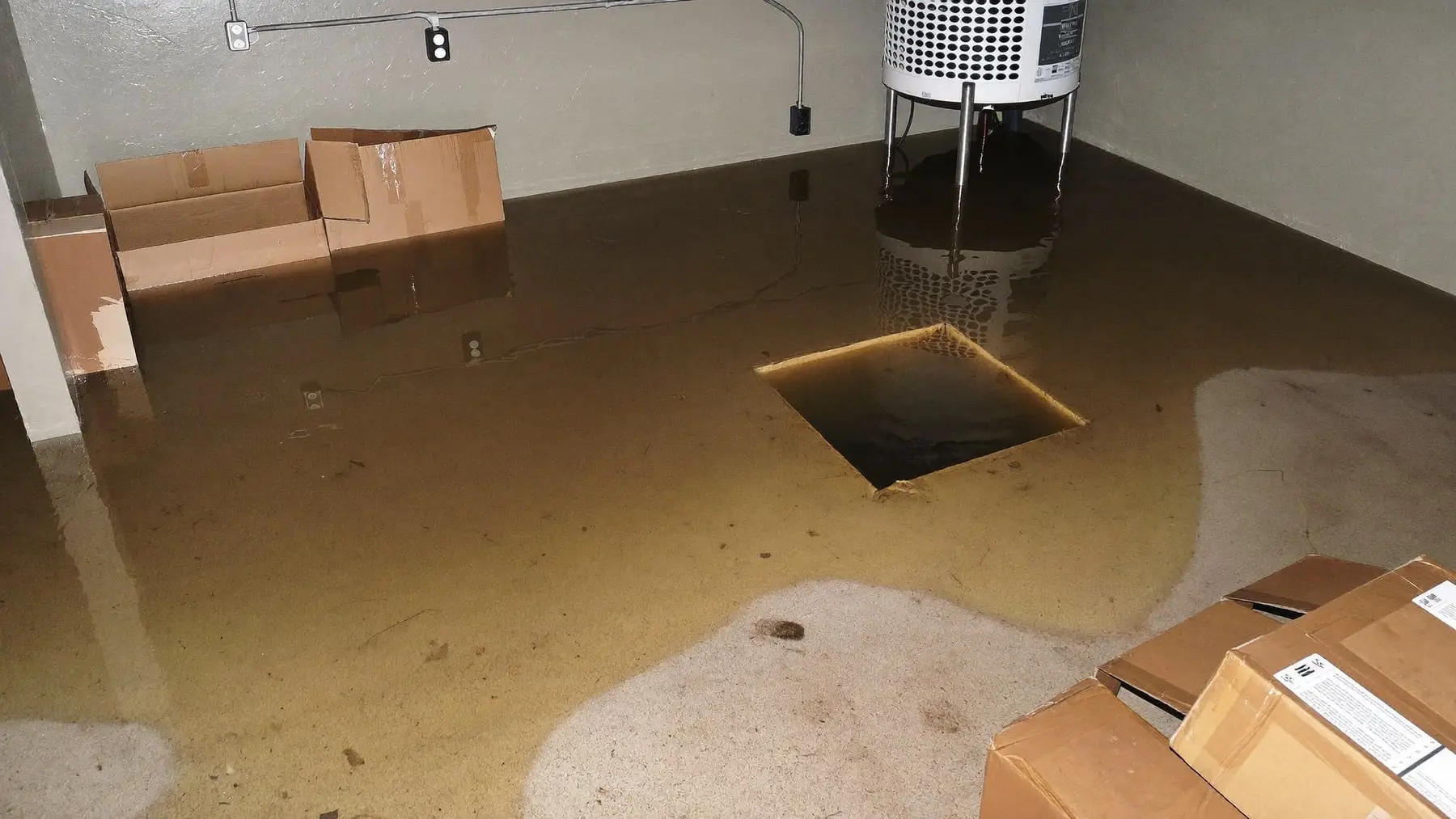
Document everything before you move anything, then get it extracted and dried. The source determines who pays, but it does not change the 24 to 48 hour clock on mould, and a flood loss you cannot claim is still a loss you have to dry out.
Our basement flooding page covers what that work involves, and water damage restoration covers the full process.
General information only, not insurance advice. Flood zone status and coverage depend on your specific address, policy and carrier. Check the current FEMA flood map for your property and speak to your own agent.