Sump Pump Failure Water Damage in Lincoln, NE
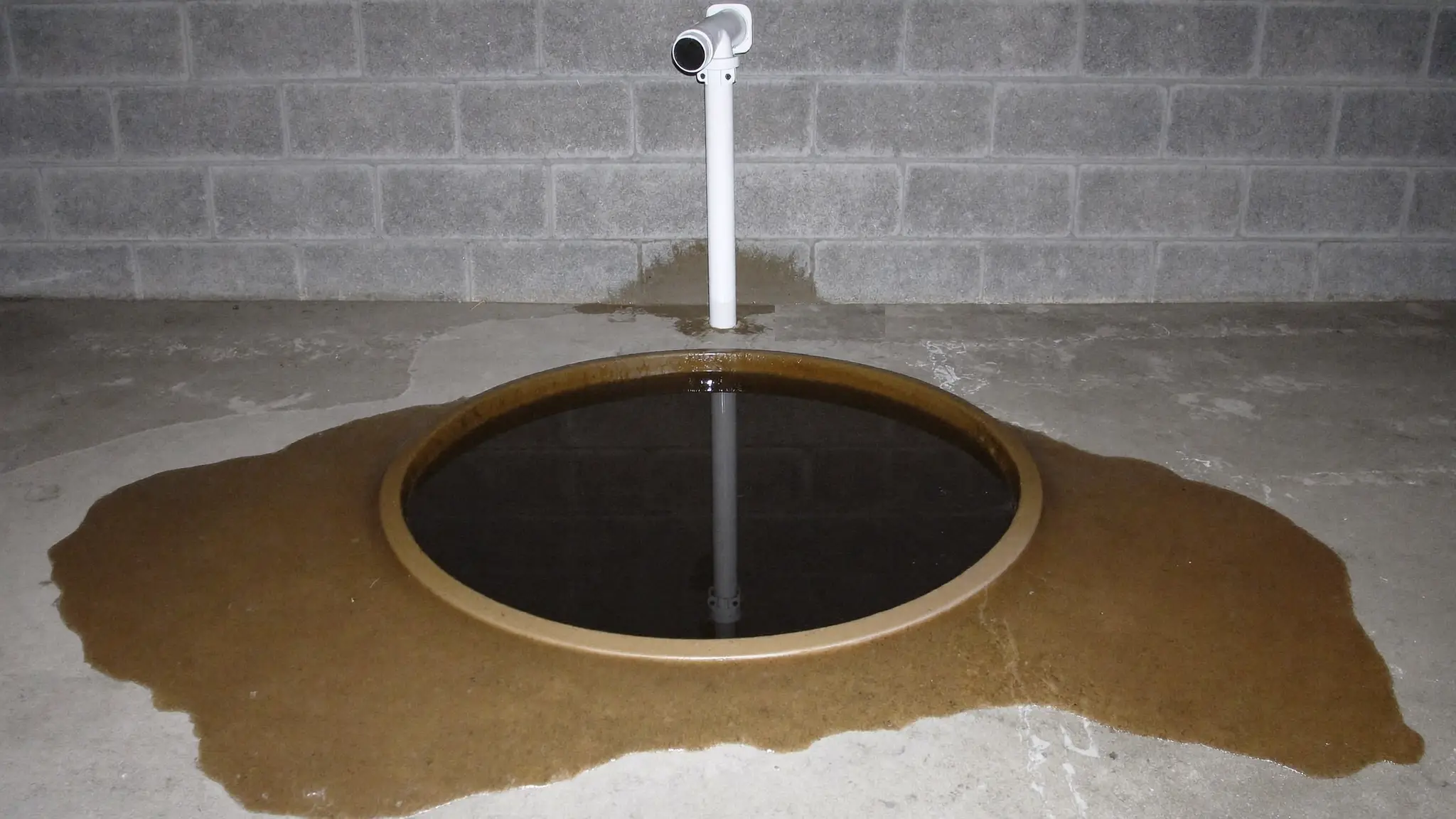
When the pump quits, the pit overflows into the basement.
The short answer
A sump pump failure floods a basement because groundwater keeps arriving in the pit with nothing to send it outside, so the pit overflows across the floor. Most failures happen during heavy rain, which is exactly when the pump is needed most and when storms are most likely to cut the power. Cleanup means extracting the water, removing wet flooring, drywall and insulation that will not dry in place, then drying the basement to a measured standard. The pump problem has to be fixed as well, or the next storm repeats the loss.
Why sump pumps fail
Lincoln clay soil drains slowly, so after a storm the pit can keep filling for days and a weak pump gets no rest. The usual causes:
- Power cut during a storm, with no battery backup
- A stuck or tangled float switch that never tells the pump to start
- A discharge line frozen or blocked outside in a Nebraska winter
- A pump too small for the volume of water reaching the pit
- A missing or failed check valve, so water runs back and the pump cycles itself to death
- Plain age, since most pumps last seven to ten years
What to do right now
Stay out of standing water if it is anywhere near outlets, appliances or the electrical panel, and shut off power to the basement at the breaker only if you can reach it safely while dry. Check whether the pump has power and whether the float moves freely, since a tripped breaker or a jammed float is sometimes the whole problem. Photograph the water, the pit and the pump before anything is moved, because the claim is argued from those pictures. Move what you can off the floor, then call.
Cleanup and drying
Standing water comes out first with submersible pumps and extractors. Carpet pad, soaked insulation and drywall below the water line are usually removed, because they hold water against the structure and grow mold if left. Moisture meters and thermal imaging show how far water has wicked into walls and framing, and commercial dehumidifiers and air movers run until daily readings return to normal, typically three to five days. Water from a sump pit is groundwater rather than clean supply water, so anything porous it soaked is judged with that in mind.
Stopping it happening again
Replacing a failed pump is a plumbing job, and a restoration contractor should tell you what failed rather than only drying what got wet. The fixes that matter most in Lincoln:
- A battery backup pump, or a water powered backup on city water
- A high water alarm in the pit so a failure is noticed early
- A pump sized for the water your pit actually takes in
- A new check valve on the discharge line
- A discharge line that runs well clear of the house and is protected from freezing
- Testing the pump each spring by filling the pit with a bucket of water
Sump Pump Failure in Lincoln, NE
One call connects you with a licensed, insured local contractor.
+1 (402) 783-8866Licensed & insured contractors · Lincoln & Lancaster County
Water damage restoration cost calculator
Clean is a supply line, gray is appliance discharge, black is sewage or outside flood water.
- Extraction and drying
- Reconstruction
- Rate used
Not a quote. Published national averages, for orientation only. Actual cost depends on how long the water sat, what materials are involved and your local market. Get a written estimate. How these figures are worked out
Frequently asked questions
Does homeowners insurance cover sump pump failure?
Often not under a base policy. Water backup and sump overflow is usually excluded unless you added a water backup endorsement, which is inexpensive relative to what a flooded basement costs. Check your own policy, and if you have the endorsement, note its limit, since it is frequently lower than the full cost of a finished basement. Photographs and moisture readings support the claim either way.
How do I know if my sump pump is failing before it floods?
Warning signs include the pump running constantly or cycling on and off rapidly, unusual grinding or rattling, visible rust, the pump not starting when you pour a bucket of water into the pit, and water staying in the pit after a storm. A pump around seven years old or more is worth replacing before it fails rather than after.
Can I clean up a sump pump flood myself?
A small amount of water on bare concrete, caught quickly, often yes with a wet vacuum and a dehumidifier. Once water has reached carpet, drywall or finished walls, the problem is moisture you cannot see, which is why professionals measure rather than judge by touch. Material that feels dry can still hold enough water to grow mold within days.
Is this the same as a flooded basement?
It is one of the four common causes of one. A failed sump pump, a backed up floor drain, surface water through the foundation and burst pipes all flood basements, and the cleanup is similar, but the fix that stops it recurring is different for each. Knowing it was the pump points straight at the repair.
Part of Water Damage Restoration
Extraction, structural drying and repair after any water intrusion.
- Emergency Water Removal : Round-the-clock extraction while water is still standing.
- Basement Flooding Cleanup : Pump-out, drying, and fixing why it flooded in the first place.
- Burst & Frozen Pipe Damage : Nebraska winters split pipes. Fast response limits the damage.
- Sewage Backup Cleanup : Category 3 water. Genuinely not a do-it-yourself job.
- Storm & Roof Leak Damage : Nebraska weather finds every weakness in a roof.
- Crawl Space Water Removal : Water under the house, pumped out, dried and stopped from returning.
Available across the Lincoln area
Water damage right now?
Answered 24 hours a day, including weekends and holidays.
+1 (402) 783-8866Licensed & insured contractors · Lincoln & Lancaster County