Biohazard Cleanup in Lincoln, NE
Trauma, unattended death and hoarding, handled safely and discreetly.
What biohazard cleanup involves
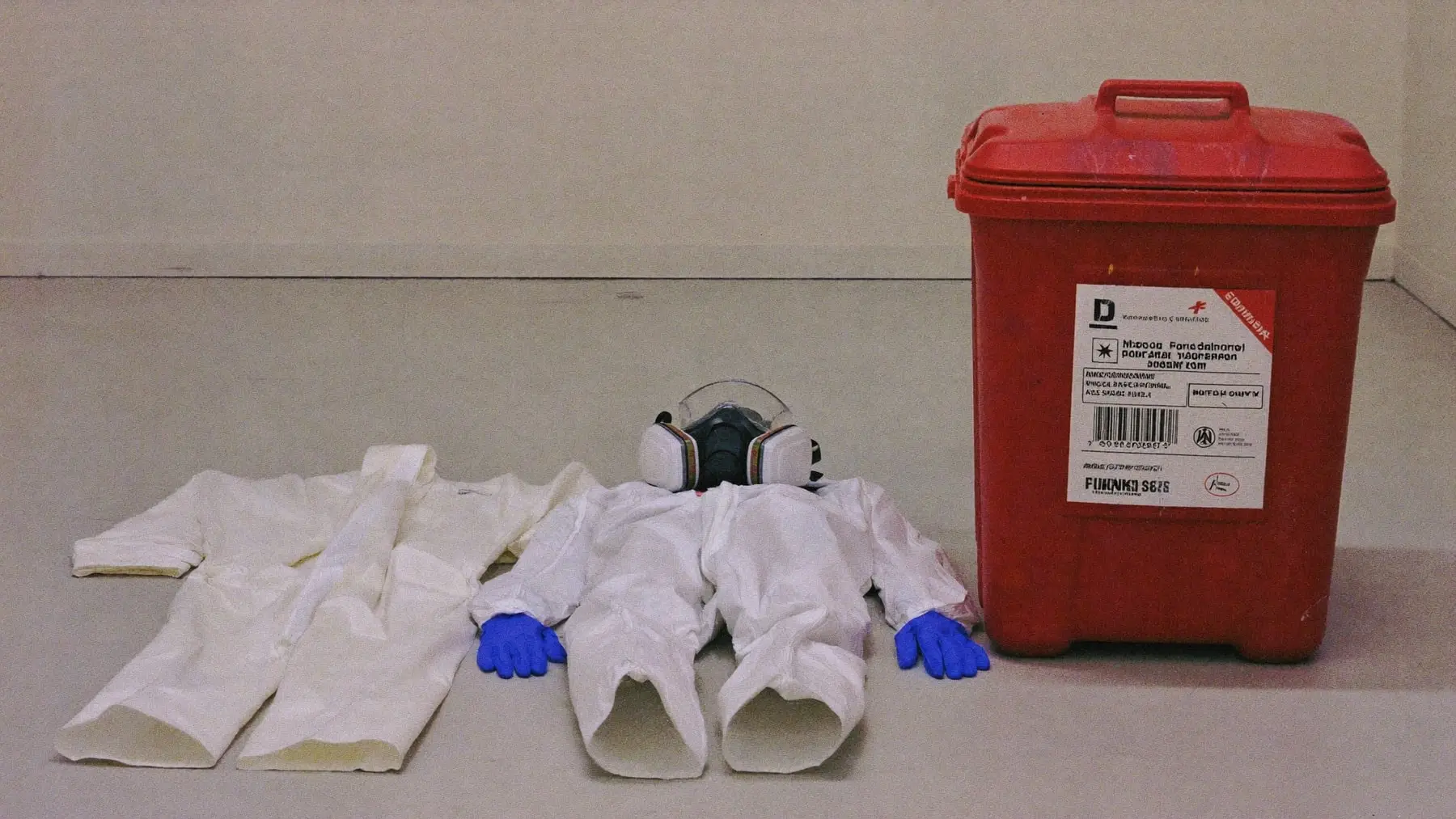
Biohazard cleanup is the decontamination of a property after blood, bodily fluids or other potentially infectious material is present. It is regulated work: the OSHA Bloodborne Pathogens Standard, 29 CFR 1910.1030, governs how anyone doing it must be protected, and the waste it produces has to leave the property through licensed regulated medical waste channels rather than a household bin. Porous materials that absorbed fluid usually cannot be disinfected and are removed instead.
Why this is not a job to take on yourself
Police and emergency services secure a scene, they do not clean it. Once the property is released, cleanup becomes the responsibility of the owner or the family. That is a distressing thing to learn at the worst possible moment, and it is also genuinely hazardous work. Bloodborne pathogens including hepatitis B, hepatitis C and HIV can remain infectious on surfaces, fluids travel under flooring and into subfloor where nothing is visible, and ordinary household cleaning spreads contamination rather than removing it.
Signs to look for
- A scene released by police or emergency services
- Blood or bodily fluids on any surface, including where it has soaked in
- A death discovered some time after it occurred
- Persistent odor with no plumbing or water source behind it
- Property with heavy accumulation, animal waste or pest activity
- Discarded needles or other sharps
Need biohazard help in Lincoln?
Answered 24 hours a day, including weekends and holidays.
+1 (402) 783-8866Licensed & insured contractors · Lincoln & Lancaster County
Biohazard Cleanup services
Pick what matches your situation, or call and describe it.
Trauma & Crime Scene Cleanup
After the scene is released, the cleanup falls to the family.
Read more →Unattended Death Cleanup
Decomposition reaches further than the room it happened in.
Read more →Hoarding Cleanup
Usually a biohazard job rather than a cleanout, and rarely just clutter.
Read more →What the process looks like
- 1
Make the call
You do not need to explain in detail. Say what has happened and where, and that is enough.
- 2
Get matched discreetly
You are connected with a contractor who does this work specifically. Unmarked vehicles are standard.
- 3
Assessment
The contractor establishes how far contamination has travelled, including under flooring and into HVAC.
- 4
Containment
The area is isolated so contamination is not tracked through the rest of the property.
- 5
Removal and decontamination
Affected porous material is removed. Remaining surfaces are cleaned with hospital grade disinfectant.
- 6
Regulated disposal
Waste leaves through licensed regulated medical waste channels, with documentation.
- 7
Verification and restoration
The area is tested where appropriate, then flooring, drywall and finishes are rebuilt.
Frequently asked questions
Who is responsible for cleaning up after a death or a crime?
The property owner, or the family. Police, paramedics and the coroner secure and investigate a scene, and they release it when they are finished, but none of them clean it. Many people find this out at the worst possible time. A biohazard contractor exists precisely so that a family does not have to do it.
Does insurance cover biohazard cleanup?
Frequently yes. Many homeowner policies cover trauma and biohazard cleanup, sometimes under a specific provision, and contractors in this field usually work with carriers directly and bill them. For crimes, the Nebraska Crime Victim Reparations Program may assist victims and their families with certain costs. Check your own policy and ask the contractor what they can bill directly, because that is often the difference between a bill you pay now and one you never see.
Will the neighbours know?
Discretion is standard practice in this work. Contractors doing biohazard cleanup generally use unmarked vehicles and plain clothing, and they do not advertise on site. If it matters to you, say so when you call and it will be passed on.
Why can porous items not simply be cleaned?
Because disinfectant only works where it can reach. Carpet, pad, upholstery, mattresses, drywall and untreated wood absorb fluid below the surface, and a surface that looks and smells clean can still be contaminated underneath. Hard non-porous surfaces such as sealed tile, metal and finished concrete can usually be decontaminated and kept.
How quickly does this need to be done?
Soon, though not so urgently that you should make decisions while in shock. Fluids continue soaking into subfloor and framing, odor moves through HVAC into rooms the event never touched, and in warm conditions decomposition and insect activity accelerate. Every day of delay widens the scope of what has to be removed.
Biohazard Cleanup across Lincoln & Lancaster County
Contractors cover Downtown & Haymarket, Near South, Country Club, Havelock, University Place, College View, Belmont, Air Park and every other part of the city.
Other restoration services
Water damage right now?
Answered 24 hours a day, including weekends and holidays.
+1 (402) 783-8866Licensed & insured contractors · Lincoln & Lancaster County